How to store food


I'm going to list some of the vegetables I grow and how I store them successfully!

So without further a do! Here's my list!

Broccoli

I place mine in the fridge, as they are, I don't put them in any bags or anything. They store for around a week or so.

Broad Beans

Any dark cold place will do. If kept in the pods they should keep for slightly longer than outside of the pod. Around a week to two weeks maximum.

Cauliflower

These are best frozen if you want to keep them for sometime. Otherwise I just store in the fridge and use within 3-5 days.

Carrots

It's best to place your carrots in a wooden box. Make sure to put them in your fridge or out of the fridge is fine just cover in straw or sand if you do! They can be stored for around a week or more like this. This goes for: Turnips, Parsnips, Swedes and Beetroot as well!

Garlic

I allow the garlic bulbs to harden off in the sunshine and I also brush off any excess soil before storing. I will usually keep them in a dark and cool place. Garlic can last for months if kept in the right conditions. Just be sure to check for mold! This method also applies to Onions!

Ginger

I just put my ginger in a non-see through bag and place in the refrigerator. You can even freeze it! Should keep for a few weeks at least. Before use, make sure it's not gone all wrinkly and old!

Lettuce (Unspecific types)

Lettuce should be used within a maximum of 5 days before initially picking. Though 3 days is probably the safest! Just place in a container and store in your fridge.

Leeks

It's best to leave leeks in your garden growing and only pick them when you need them. Although they can be stored in the fridge for around 3-5 days.

Onions

With onions a dark cool place is always best. I usually leave them in my shed or in the kitchen cupboard. Check occasionally for mold and remove any affected onions if they start rotting.

Potatoes

Before storing I like to leave them out in the sun for around an hour to allow the skins to harden. They're best stored in hessian sacks (The type of material you see sandbags made out of). Just put them out of the way of sunlight, in a dark cool place and they'll be fine. Remember to remove any potatoes that go green! These can be poisonous!

Peas

With peas I generally just leave them on the plant and pick whenever I need. Although they can keep in a dark cupboard or fridge for around a week without any problems. You can freeze them also.

Spinach

It's better to just pick and eat spinach when you need it as this is when it tastes best. But if you've planted one to many plants and you've got spinach coming out of your ears then it easily stores in a fridge for around a week.

Tomatoes

Tomatoes are best eaten as fresh as possible. Although they do keep pretty well in the fridge for around 5 days maximum.


Additional points


  • Don't wash your vegetables before storing! It's best to wash them just before use. You can easily just brush off any excess dirt and store them as they are!
  • Be sure to remove any rotting, moldy or slightly eaten vegetables before storing! The mold and disease will spread to your other crops!
  • A good thing to mention is to keep a list of vegetables on your fridge door or nearby. Keeping a stock check from when you placed the vegetables in the fridge and when they should be eaten! This helps to reduce food wastage.
  • Try not to allow your crops to be wasted. It's better to share big quantities with family and friends than to see them go to waste or be chucked on the compost pile!

Recycling food scraps: Foods you can re-grow


If you're looking for yet another way to get more out of your garden. And you love organic gardening. You should definitely give some of my methods for replanting crops a try.
 
It's as simple as replanting leftover kitchen scraps! Literally!


Garlic


 If you're a fond lover and user of garlic as I am. You will probably agree with me that the tiny little cloves you find in a cluster are not as worthwhile as the bigger ones. It is reasonably easy to grow garlic. The garlic plant is resistant to most pests. Just make sure to water through long droughts!

An easy way to recycle a glove of garlic and re-grow an entire bulb of garlic is to just plant them!

You will want to plant the pointy side up. With the flatter side down (This is where the root will be). Make sure to plant them in a place where full sunlight is available. 

Ginger 


A bit about ginger: The ginger plant is a root based treat. It is more commonly used in asian based cultures rather than the western culture. It is used as a spice main but in some places it's favoured for it's apparent medicinal properties and is therefore seen a medicine!

Ginger is sought after for it's wondrous health effects. It's been known to assist with flu prevention and even help promote healthy skin!

The way I like to grow ginger is to, firstly make sure it's not old. If it's all wrinkly and dried out, then it's too old. I would then plant a piece of ginger partially submerged within soil, leaving a top portion of the ginger still visible to sunlight. Planted this way, ginger should start rooting within just a few weeks! Be sure to place your ginger in a polytunnel or greenhouse as this plant favours climates tilted toward the tropical range.


Spring Onions


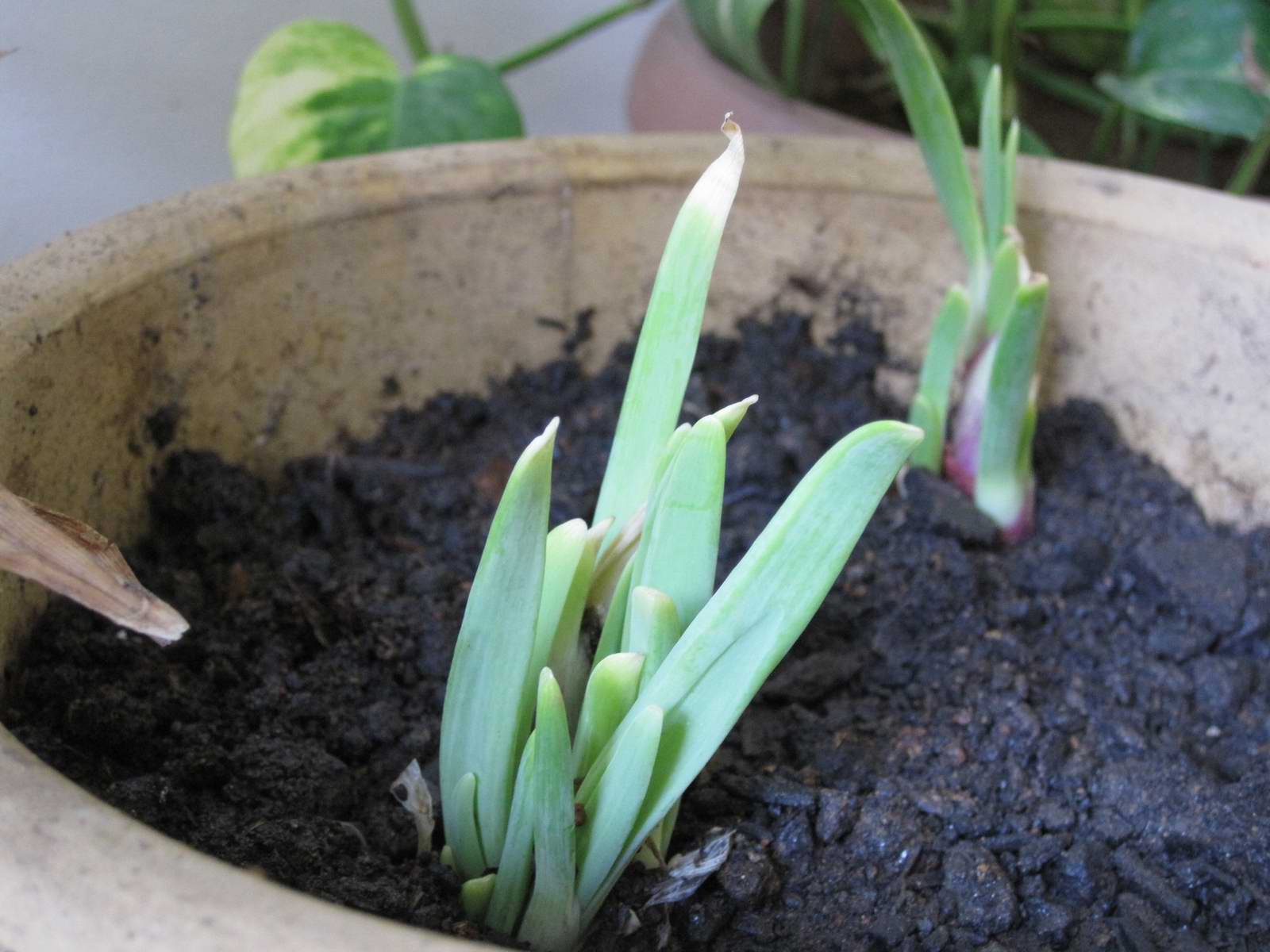
It's easy to grow onions from onions. Spring onions or Green onions, are easily replant-a-ble at home. As long as they're still fairly fresh, you can successfully regrow this tasty vegetable. 

It's easy to grow spring onions, all you have to do is, keep the white ends once you've chopped them off and plant them root down within some soil. Another method is to leave the root ends slightly submerged in an aerated container filled with warm water. The aeration isn't that important and can be left out but with it the success rates of you're onions re-sprouting will be a lot higher!


Potatoes 


My favourite garden vegetable! I've never actually planted a potatoe from seed! Every potatoe plant I've ever grown has been recycled from old potatoes. 

You may of noticed when your slightly old potatoes start to grow weird prickly things on them. These are the potatoes new shoots! To replant them is easy. Just bury them a few inches down in some soil (I place mine fairly deep. About 5-7 inches or so) and wait for them to flourish!

Potatoes grow like weeds. So you need not worry about to much fussing over them. Another thing is you can either plant the whole potatoe or divide the potatoe into chunks and plant the individual sprouts separately.

 Things to remember 


  • You can only replant somewhat fresh vegetables. Things like fully matured onions or vegetables that have long past there use by date won't be of any use except for composting! the exception is the good old potatoe of course.
     
  • When you're growing potatoes, you may want to slowly pile the dirt over the plant as it continues to grow. As you continue to do this and a small mound forms around the plant. It will encourage a deeper, bigger root system which eventually results in a bigger yield when harvesting! This same method applies to ginger too!
  •  Store you're crops well! Even though re-planting them is so easy and recommended. It is no substitute for storing vegetables well and being able to eat them as they are!

How to grow purple sprouting broccoli

I couldn't find much information online about growing purple sprouting broccoli. So I thought I'd take the time to share my take on this wonderful vegetable and possibly offer some helpful insight as well.

As such a tasty and vibrant looking plant. With it being so easily grow-a-ble in any back garden or allotment. It's curious why other people aren't getting the most out of there plot by planting purple sprouting broccoli.

This strain of broccoli, along with the ordinary type of broccoli. Is also a member of the cabbage family. As well as being a distant relative to the cauliflower family.

The best thing about purple sprouting broccoli in comparison to regular calabrese broccoli is the fact that you can achieve multiple harvests from one single plant. With the calabrese (The traditional broccoli you buy the in supermarket) you only get one single crop per plant.

You will need around 2-3 plants per person in any household. This may seem a bit much. But with a steady supply of tasty shoots, any regret is very unlikely.

The way I like to grow broccoli is to start them off in small pots until they're around 4-6 inches high. Once they have there true leaves (You will easily notice there big fan leaves from there seedling leaves) Then I will plant them outside in my preferred spot. Giving them amount 1 foot squared of space for each plant. Another thing to add is these plants can grow up to around 4 feet tall and will cast a shadow on other surrounding plants.

Prior to planting outdoors you may wants to spread some fertilizer like blood fish and bone around your chosen area and dig it over.

If you live in a climate with tough weather conditions you may want to protect the young plants for a few weeks. A clothe will do or simply wrap some clingfilm around a cylinder made out of chicken wire.

Once the plants are fully established. All that's really left to do is to give them with a good supply of nutrients. I personally just put some well composted stuff around the base of the plants and water regularly with compost tea.

Broccoli is a fairly hardy plant. It is pretty resistant to most harsh conditions. So you need not worry too much about it.

Then... Finally... The best bit! Harvesting!

Purple sprouting broccoli is very easy to harvest. As soon as you start seeing small shoots with those distinct purple heads, you know it's time to start harvesting. Be sure to harvest your broccoli regularly before the shoots get to thin and scrawny or before they flower (Read more on that below). It's easy to actually harvest the shoots. Just cut them at there stems with the desired length. Remember you can eat the stems. And That's it! Just boil, steam or stir fry until the stems are fairly soft and enjoy your lovely homegrown purple sprouting broccoli!


Things to remember 


  • Butterfly eggs! White butterflies will lay there eggs on the underside of the leaves. Be sure to check your plants regularly. A single butterfly can lay as many as 50 eggs. The damage that even 20 caterpillars can do to a single broccoli plant is tremendous! 
  • Slugs! Be on the look out for slugs regularly! Slugs love the leaves of broccoli. If you have a really bad slug problem just go out late at night with a torch and pick off the slugs. You'll be amazed at how many you will find.
  • Never let your broccoli flower! as soon you start seeing yellow flowers appear on your broccoli, cut the stalks down on that particular stem immediately! If you allow your broccoli to go into full flower it will stop producing shoots!  
  • High winds! Broccoli only have very shallow roots. It won't be surprising when you wake up one morning only to see that your purple sprouting broccoli has been completely blown over! This doesn't harm the plant to much though. As long as you get it upright once again. I use bamboo shoots to prop them up when this starts to happen.
  • Water well. Especially when there is a drought.
  • Eat the leaves! As broccoli is a member of the cabbage family it's leaves at edible too! You can also eat the stems (I like to stir fry them). If you think about it. You can get 3 crops out of one single plant!